The World Health Organization has shared a new report about global drinking water. Clean water is a basic need that protects millions of families from serious illness every single day. Health officials say safe supplies are vital for every community on our planet. Why is clean drinking water so important? Clean water keeps our bodies healthy and stops the spread of dangerous germs. When water sources are not clean, people get sick very fast with stomach bugs and other bad illnesses. Access to safe drinking water helps children grow strong, stay in school, and live better lives. Many places still face hard times getting safe taps and wells. People in small towns and big cities all need reliable supplies for drinking, cooking, and washing. Doctors always point out that water safety is the first step to stop hospital visits around the world. What are drinking water quality standards? Global teams look at clear rules to make sure tap supplies stay safe for human use. These targets ch...
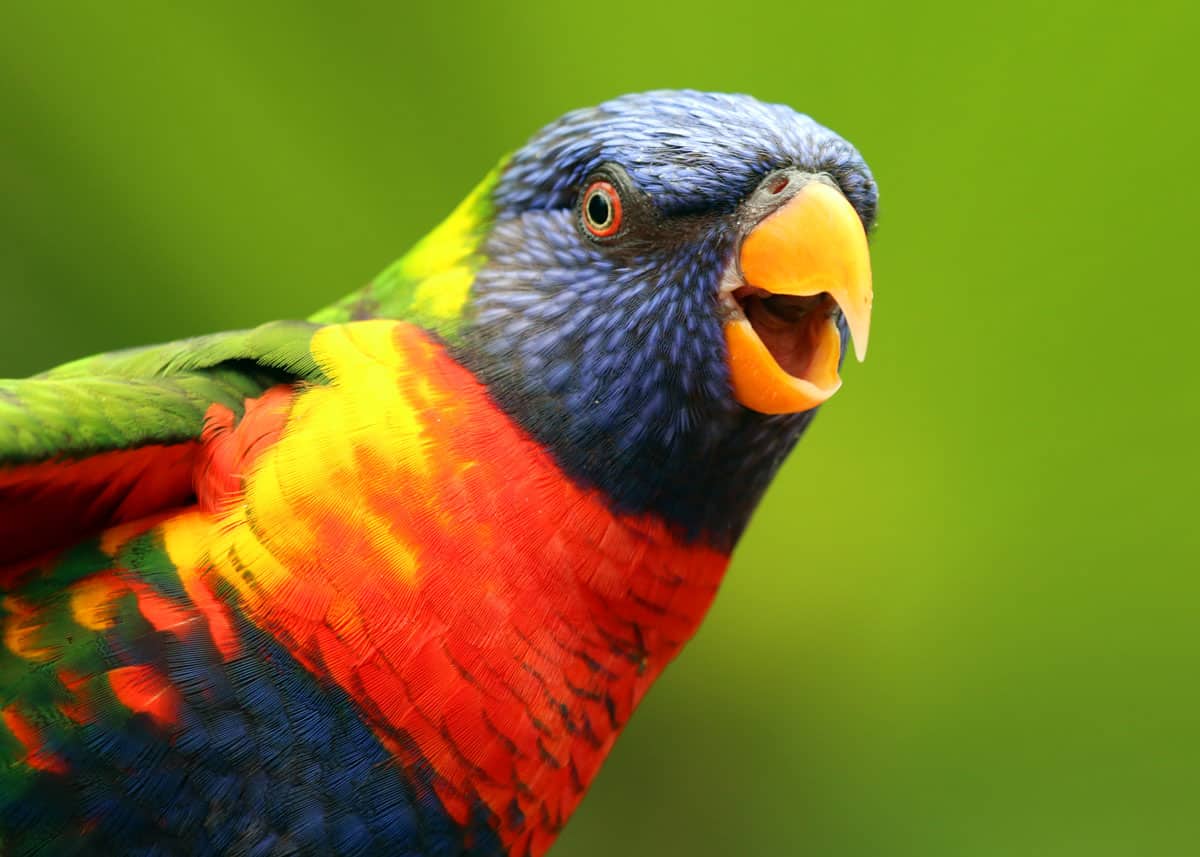
Birds find their way home using a natural map hidden inside their tiny bodies. They travel thousands of miles across the big world to reach the exact same tree or nest every year.
Most birds follow the sun, the stars, and the magnetic pull of the earth to keep their path straight. This helps them move across animal migration routes with ease. It is like they have a compass built right into their brains.
How do birds know where to go?
Imagine flying over a dark ocean at night with no roads to follow. You would feel lost, but a bird feels right at home. These amazing creatures use the sun as a clock during the day. They know the angle of the light and use it to figure out the right direction.
When the sun goes down, they look at the stars in the night sky. Young birds watch the sky and learn the patterns of the stars. It acts like a map that never changes. This look at how birds find their way home shows us just how smart they truly are.
Some birds also see the magnetic field of our planet. Scientists think they have tiny bits of iron in their beaks or eyes. This lets them feel the pull of the poles. It acts just like a needle on a compass that tells them if they are heading north or south.

Why do birds travel so far?
Food is the main reason birds fly long distances. When winter comes, the snow covers the ground and bugs hide away. A small bird cannot find enough to eat in the cold. They must leave to find a place where the sun is warm and the food is easy to grab.
Some swallows fly from cold countries all the way to the warm fields of Africa. They fly for weeks over big seas and wide deserts. Many birds stop along the way to rest in places that have plenty of biodiversity. This means they can find different kinds of snacks in one spot.
Once the spring air returns, they fly back to their original homes. They want to raise their babies in the same safe spot they know well. It is a long trip, but they do it every single year without fail. This cycle keeps the facts about how birds find their way home fresh for us to study.
Do young birds get lost on their first trip?
It is common for young birds to make mistakes. They do not always have the same skills as the older ones. Some fly in the wrong direction for a few days. They learn by watching the older birds lead the way across the sky.
Most birds are born with a basic plan in their heads. They know when it is time to leave and which way to point their wings. Practice makes them better at the job over time. By their second year, they are usually experts at the long flight.
Think about a young bird sitting on a branch for the first time. It feels the wind and waits for the right moment. The urge to move is very strong inside them. They just follow that feeling until they reach their destination.
Can we help birds on their way home?
Our gardens can be a great place for birds to rest. Many birds look for places with water and trees when they are tired. If you put out a bird bath, you provide a life-saving drink for a tired traveler. It is a small thing that makes a big difference.
Keep your cats inside at night during the busy migration times. This helps the birds stay safe while they gather strength for the next leg of their trip. Dark skies also help them stay on the right track. If you turn off bright porch lights, they see the stars much better.
Notice the birds in your yard today. Look at how they move and see if they look like they are preparing for a long trip. Some might be getting ready to leave soon. You could keep a journal of the birds you see and notice when they leave or arrive. It is a fun way to connect with the nature right outside your door.
Watching birds is a gentle way to slow down and enjoy the world. You do not need fancy gear to see them fly. Just look up and appreciate the long journey they have taken to reach your home. Where will your favorite bird go when the seasons change next?
How weather impacts their journey
Weather plays a huge role in how birds complete their travels. A strong tailwind can help them fly faster and save energy, while a storm can push them off course. Birds are very sensitive to changes in air pressure. They often wait for the perfect moment when the winds are blowing in the right direction before they start their flight.
Fog and heavy rain can make it hard for them to see the landmarks they use for navigation. When the weather gets too rough, birds often land in forests or wetlands to wait for the sky to clear. This shows that their journey is not just about flying; it is also about knowing when to stop and rest.
Things that make travel difficult
Modern life has created new challenges for birds on the move. They face several obstacles that make reaching their home harder than it was in the past:
- Tall glass buildings can confuse birds because they reflect the sky, making birds think they are flying through open air.
- Loss of habitat means there are fewer places for them to stop for food and water along their route.
- Chemicals used on farms can reduce the number of bugs available for birds to eat, leaving them hungry and weak.
How you can track their travels
You can become a scientist by recording the birds you spot. Many people use apps or simple notebooks to write down the date and the type of bird they see. By doing this, you help experts understand if birds are arriving earlier or later than they did in past years. This information is vital for keeping our feathered friends safe as the world around them changes year after year.
Comments
Post a Comment